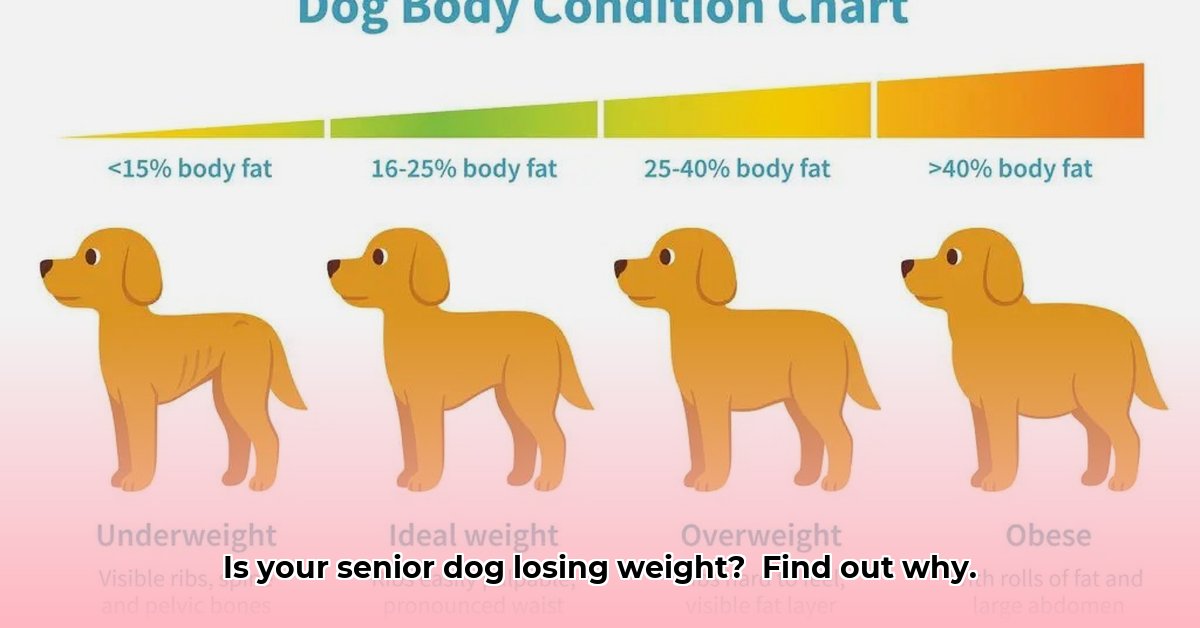
Seeing your senior dog lose weight can be incredibly upsetting. While some weight fluctuation is normal with age, significant weight loss often signals an underlying health issue requiring immediate veterinary attention. This guide provides a vet-approved approach to understanding, addressing, and preventing weight loss in your aging canine companion.
Understanding Why Your Senior Dog is Losing Weight
Several factors can contribute to weight loss in older dogs. It's crucial to differentiate between normal age-related changes and potentially serious medical conditions.
Age-Related Changes: A slower metabolism and decreased activity levels can contribute to slight weight changes. However, a significant drop (10% or more over a couple of months) is a cause for concern.
Decreased Appetite: Changes in taste and smell, dental problems (making eating painful), or difficulty moving can reduce food intake.
Underlying Medical Conditions: Weight loss is a common symptom of various illnesses, including cancer, kidney disease, liver disease, infections, and hyperthyroidism. These conditions often present with other symptoms, such as lethargy, changes in urination or defecation, and changes in behavior.
Malabsorption: Conditions like inflammatory bowel disease (IBD) can prevent your dog from absorbing nutrients properly, leading to weight loss despite adequate food intake.
Increased Metabolism: In some cases, underlying medical conditions can increase your dog's metabolic rate, leading to increased calorie burning and weight loss.
Getting to the Bottom of Your Dog's Weight Loss: The Vet's Crucial Role
Your veterinarian is your essential partner in managing your senior dog's weight. A thorough examination, including your detailed account of your dog's history and symptoms, is the first step.
"A comprehensive physical exam, combined with blood work and urinalysis, provides crucial insights into your dog's overall health and helps pinpoint the cause of weight loss," says Dr. Emily Carter, DVM, of the Animal Medical Center.
Further tests such as X-rays or ultrasounds may be necessary to diagnose underlying conditions. Early diagnosis is paramount for effective treatment.
Helping Your Dog Gain Weight: A Step-by-Step Plan
The approach to weight gain depends entirely on the underlying cause, determined by your veterinarian. Here's a general outline:
Veterinary Examination and Diagnosis: This is the cornerstone. Your vet will identify the root cause of the weight loss and create a personalized treatment plan. This step alone can dramatically improve chances for a successful outcome.
Dietary Adjustments: Your vet might recommend a high-calorie, high-quality senior dog food, potentially with supplemental food toppers to increase palatability. Smaller, more frequent meals can also improve intake.
Medication and Treatment: Underlying medical conditions require appropriate medication or therapies. Your vet will prescribe necessary treatments to address the root cause of the weight loss.
Ongoing Monitoring and Veterinary Follow-Ups: Regular weigh-ins (weekly to bi-weekly) and veterinary check-ups are vital to monitor progress and adjust the treatment plan as needed.
Proactive Steps You Can Take at Home
While veterinary care is crucial, you can play an active role in supporting your dog's weight management:
- Regular Weigh-Ins: Track your dog's weight weekly to detect changes promptly.
- Observe for Subtle Changes: Pay close attention to changes in appetite, energy levels, coat condition, and elimination habits. These clues can indicate underlying health issues.
- Immediate Veterinary Consultation: Don't delay contacting your vet if you notice significant weight loss. Early intervention is key.
Preventing Weight Loss: Proactive Health Management
While aging is inevitable, proactive health management can significantly reduce the risk of weight loss in senior dogs:
- High-Quality Nutrition: Ensure your dog receives a balanced diet appropriate for their age and health condition.
- Age-Appropriate Exercise: Daily walks, even short ones, are beneficial.
- Regular Veterinary Check-ups: Routine check-ups allow for early detection of potential problems.
"Regular vet visits are crucial, not just for weight management but for overall health," notes Dr. Michael Davies, DVM, from the Veterinary Specialty Hospital. "Early detection significantly improves outcome."
Understanding Potential Risks and Rewards
All interventions carry potential risks and benefits. Discuss these thoroughly with your veterinarian:
| Intervention | Potential Risks | Mitigation Strategies |
|---|---|---|
| Dietary Changes | Nutritional imbalances, digestive upset | Gradual transitions, vet-approved food, close monitoring for adverse reactions |
| Supplements | Unwanted drug interactions, nutrient imbalances | Use only vet-recommended supplements, monitor for side effects |
| Veterinary Treatments (Medications) | Side effects, risks associated with procedures | Thorough discussion with your vet, close adherence to prescribed treatment protocols |
Remember, you are not alone in this journey. With your vet's expertise, proactive monitoring, and unwavering love, you can help your senior dog maintain a healthy weight and enjoy their golden years to the fullest. Early detection and prompt veterinary care are vital for ensuring the best possible outcome.